
Good morning, friends. It’s business as usual for Adia and Adnoc, who continue to expand their investment strategies, even amid tension in northern Iraq and Hormuz.
Adia committed INR 500 mn to anchor yet another Indian firm’s IPO: auto component maker Dhoot Transmission. Elsewhere on the investment front, Adnoc poured USD 1.3 bn into 11 large crude carriers, and an unnamed Emirati investor has been tapped to develop a plot on Egypt’s North Coast under a USD 2.7 bn agreement, adding to the growing list of UAE-linked developments in the area.
But there’s trouble overseas: Authorities have condemned an Iranian strike on an Adnoc-affiliated vessel in the Strait of Hormuz, which the oil giant says brings the total number targeted last week to three. The statement emphasized its rejection of using the waterway as “a tool of economic coercion or blackmail.” The day before, Adnoc had also condemned what it described as “unprovoked attacks,” Reuters reports. The statements come after Adnoc had reportedly started up dark-mode transiting through Hormuz again after an empty LNG carrier owned by Adnoc L&S appeared to have crossed the strait with its AIS turned off.
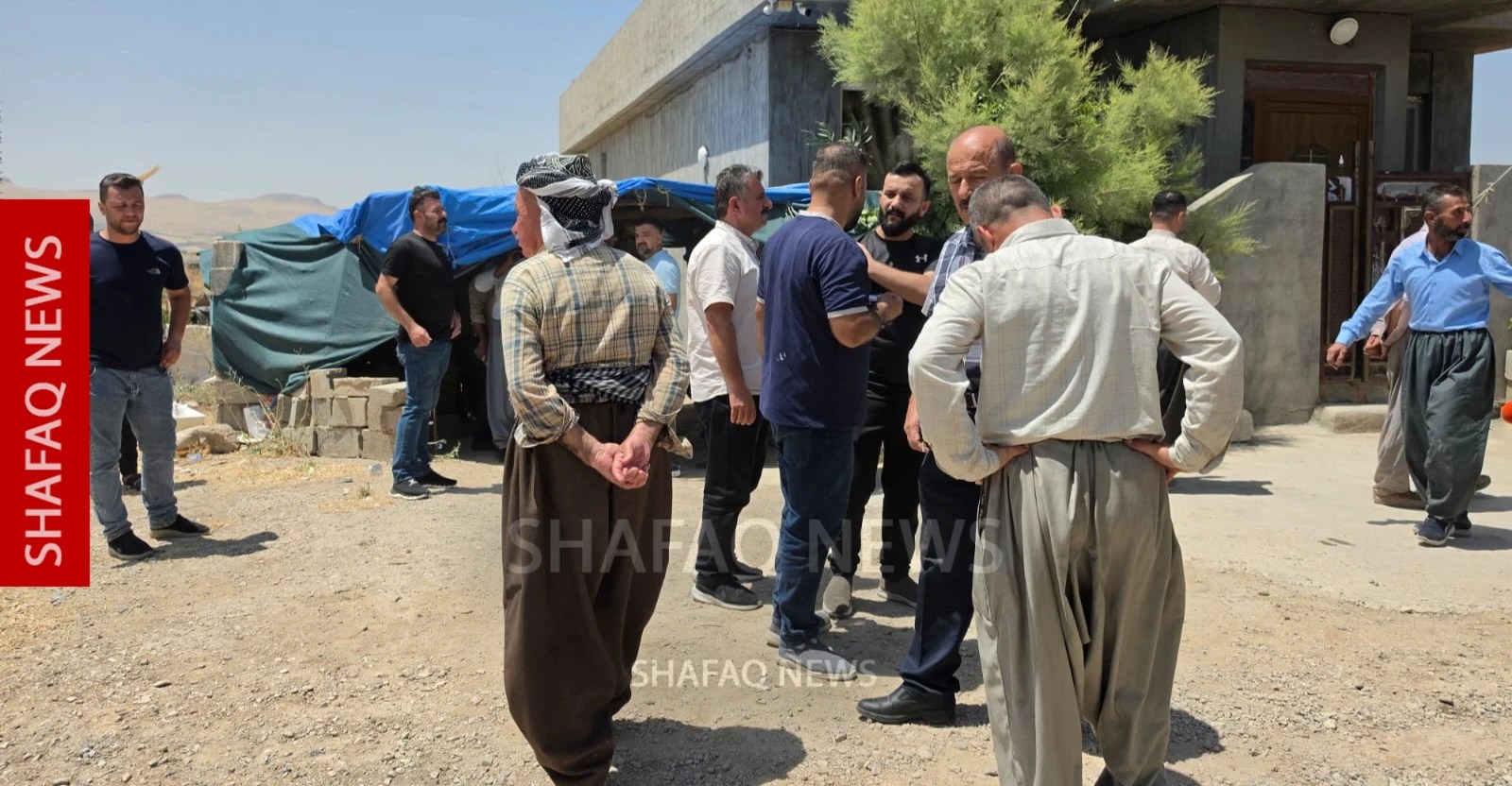
Over in Iraq: Meanwhile, Dana Gas and Crescent Petroleum are pushing back on the Kurdistan government’s accusations that they breached their Khor Mor gas contracts.
Destination Sahel Issue III drops this week, and we’re diving into how the North Coast is adapting to a changing market.
Developers are recalibrating as buyer behavior shifts, luxury retail is carving out a bigger piece of Sahel’s economy, and the wellness and sports scene has become a summer destination on its own.
In this issue, we get into what’s actually changing on the ground, from how developers are adjusting their pitch to where to shop and how to stay active this season.
Tap or click here to subscribe to the Egypt edition, coming straight to your inbox on Wednesday, 12 August.
US sanctions Dubai crypto exchange over Iran links
The US Treasury sanctioned Shelbit, an unlicensed crypto platform operating out of Dubai, accusing the exchange of processing mns of USD in crypto for Iran’s Islamic Revolutionary Guard Corps (IRGC) and other state-linked entities, Reuters reports.
Why it matters: The sanctions arrived shortly after Dubai’s Virtual Assets Regulatory Authority (Vara) said Shelbit had violated anti-money-laundering and counter-terrorism financing rules. Vara warned that the exposure extended beyond consumer protection to cross-border transactions that could affect the integrity of the UAE’s financial system.
The aftermath: Shelbit’s website was reactivated following the investigation, after remaining offline for months. The exchange rejected the accusations, saying it had ceased operations in January.
Lulu commits AED 1.5 bn to Gujarat
LuLu Group is planning to invest AED 1.5 bn in Gujarat as UAE investments in the Indian state reach AED 11 bn, according to Al Khaleej, citing a meeting between LuLu Chairman Yusuf Ali Musaliam and Indian Home Minister Amit Shah.
ICYMI- Lulu is planning to expand India’s share of its total imports to 35% within two years, up from around 26-27% currently. The group also announced plans to invest INR 100 bn in retail, food processing, and logistics in India by this year.
Khor Mor partners clash with Kurdistan gov’t
A gas-supply agreement between Khor Mor’s field partners and Baghdad has turned into a standoff with Erbil. Dana Gas and Crescent Petroleum have rejected the Kurdistan Regional Government’s (KRG) accusation of breaching their gas contracts, according to a press release (pdf). Pearl Petroleum, the JV operating the Khor Mor field, says a new Gas Sales Agreement (GSA) to supply gas directly to Iraq’s federal Electricity Ministry (MoE) needed no additional sign-off from the KRG, and that the real issue is the KRG’s own arrears, more than three years overdue.
What happened: The field partners began supplying 100 mmcf / d of gas to the MoE’s Kirkuk power station last week under a one-year GSA, according to a press release (pdf). The KRG called the move unilateral and outside the contractual framework governing Khor Mor, saying it only learned of the agreement once it went public.
The pushback: Pearl said the KRG has known about the GSA since January and was kept updated throughout negotiations, arguing that the agreement fell within their exclusive gas marketing rights and that the supplies come from excess capacity, so no further KRG authorization was required.
Dubai still pulling in international talent
IN CONTEXT- Any move would be a vote of confidence for the UAE’s financial ecosystem that has been shaken since the war, with analysts previously predicting that the conflict could lead to an outflow of expat talent.
PSA
More tax relief is coming to SMEs after the Finance Ministry extended its small business tax relief scheme — originally set to expire at the end of June 2026 — through 31 December 2029, a ministry statement said. Under the initiative, resident taxable entities generating AED 3 mn or less in annual revenue will continue to benefit from the simplified corporate tax compliance requirements throughout the period. The decision applies to all eligible tax periods commencing on or after 1 June 2023.
REMEMBER- Since the outbreak of the regional war, UAE authorities have moved to shield businesses from the fallout. Some 4.3k SMEs tapped a support line rolled out by the Central Bank of the UAE in the first months of the conflict, and Dubai South introduced rent relief and payment flexibility measures for firms. Dubai also came up with successive stimulus packages to support business activity and investor confidence.
WEATHER- Temperatures will hit 44°C in Dubai today with an overnight low of 34°C, and 45°C in Abu Dhabi before cooling to an overnight low of 35°C.
The big story abroad
Hormuz resolution stalls: While Oman and Iran have yet to reach an agreement on transit through Hormuz, US President Donald Trump signaled a patient approach, saying Washington can afford to wait out the conflict as the Islamic Republic faces deepening economic woes. Trump indicated that Iran’s rising inflation and dwindling funds will put pressure on Tehran at the negotiating table.
Tehran reiterated that it will not engage in direct talks with the US, with Foreign Minister Abbas Araghchi citing Washington’s violations of the interim truce reached in July. Meanwhile, Iran’s top security official, Mohammad Bagher Zolghadr, has resigned and been replaced by fellow veteran and Revolutionary Guard commander Mohsen Rezaei.
On the Hamas-Israel front: Israeli Prime Minister Benjamin Netanyahu rejected a 15-point US-backed framework to disarm Hamas, pushing back at the suggestion that the IDF withdraw from Gaza. Hamas offered only conditional approval of the roadmap, tying weapon handovers to Israeli withdrawals and Palestinian statehood.
Asia’s carmakers swoop in on US market: With the conflict with Iran keeping fuel prices elevated, Asian carmakers Toyota and Hyundai have capitalized on surging US demand for hybrid vehicles, recording y-o-y sales increases of 22% and 62% respectively in July, according to data from RBC Capital Markets. Toyota, Hyundai, and Honda account for 86% of the US hybrid market, with Ford pickups making up most of the remainder.
China shifts strategy to fund tech scene: Chinese tech companies raised around USD 217 bn via IPOs and bond sales over the past two years, less than a sixth of the amount secured by US giants like Amazon and Alphabet, according to Bloomberg data. Tapping capital markets instead of relying solely on subsidies marks a shift for Beijing, unlocking USD 25 tn in household savings and providing local firms with low-cost funding.
***
EnterpriseAM UAE is available without charge thanks to the generous support of our friends at Mashreq and Hassan Allam Properties.
DID YOU KNOW that we also cover Egypt, Saudi Arabia, and the MENA logistics industry?
***
Related